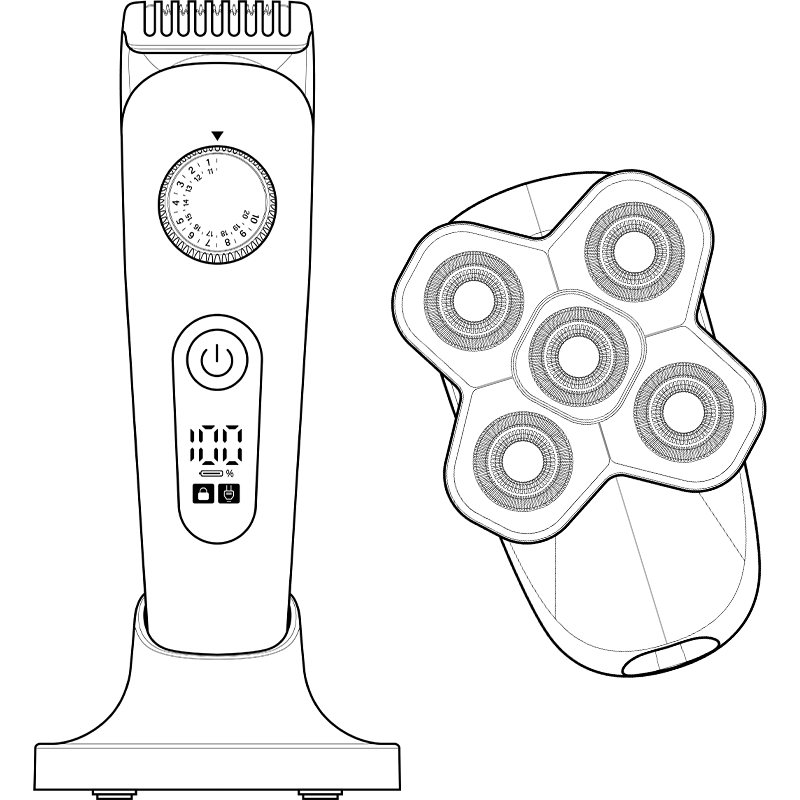
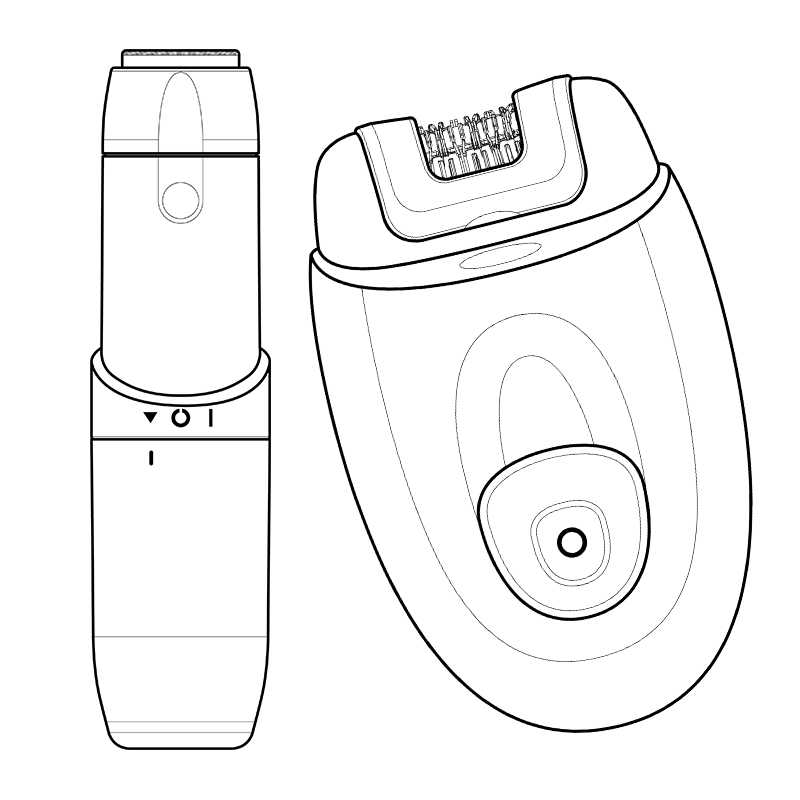
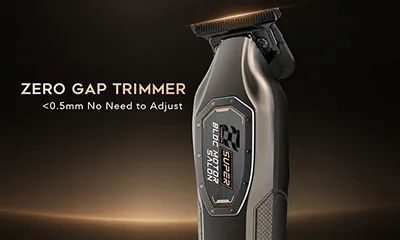
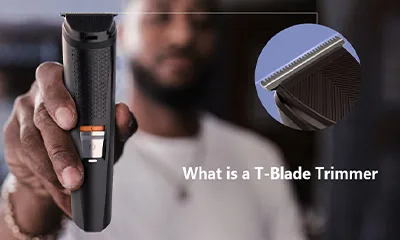
A body trimmer shortens hair to a controlled length, while a body shaver is designed to remove it closer to the skin. For brands, the question is not which device is universally better. It is whether the portfolio needs length control, close finishing or a combination of both—and whether each promise can be supported by evidence.
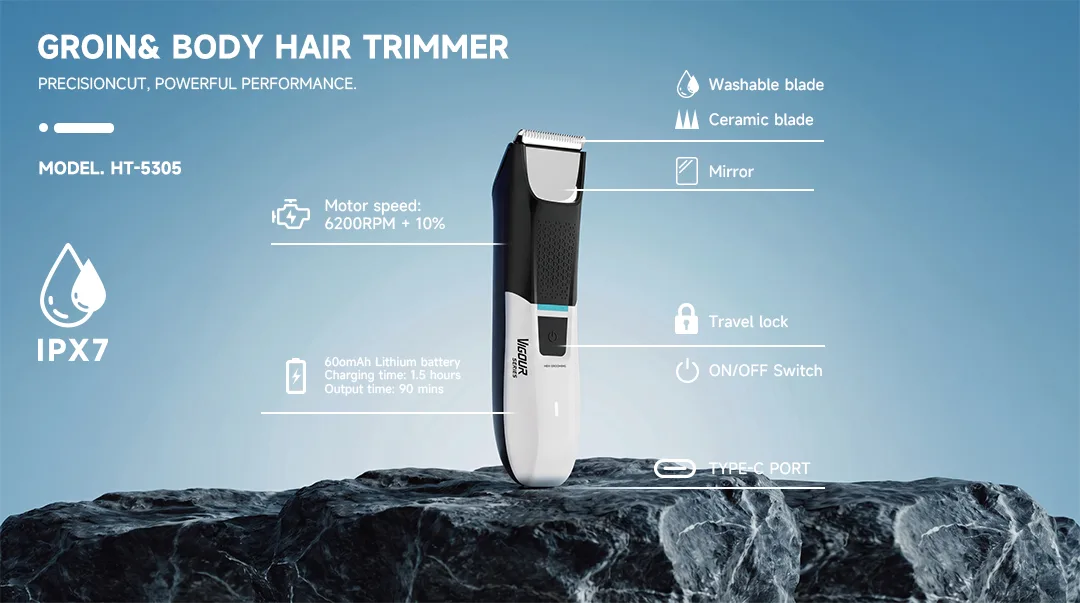
A body trimmer generally uses moving and fixed teeth, often with guards, to manage hair length. A body shaver usually uses a foil or guarded shaving head for a closer finish. This difference should guide the SKU name, accessories, package hierarchy and test plan.
A focused trimmer can emphasize routine maintenance, selectable lengths or preparation before shaving. A shaver can address closer finishing, subject to verified performance and clear use instructions. A combined body shaver and trimmer may serve both stages, but extra heads increase cost, packaging, testing and service complexity.
Search phrases such as body shaver trimmer, best body shaver trimmer and body and beard trimmer often blur these roles. A B2B brief should be more precise: define the cutting interface, intended zones, guards, cleaning method and primary benefit. Compare potential concepts with the existing body trimmer and foil shaver pages to avoid duplicate positioning.
“Body use” is not one uniform condition. Chest, back, underarm, groin, legs and face differ in skin mobility, contours, visibility and user technique. List the intended and excluded zones before defining the head geometry, guard strategy and instructions.
Comfort may be influenced by tooth spacing, foil geometry, guard stability, contact pressure, vibration, heat and the number of passes. Claims such as “irritation-free” or “safe for sensitive areas” require relevant evidence.
Wet/dry, rinseable and shower-use claims are also different. Each can affect enclosure design, seals, charging, materials and verification. Never infer one claim from another or state an IP rating without evidence for the final configuration.
A single-function product usually offers clearer positioning. A combination model can broaden utility, but both functions must perform a defined role.
| Route | Primary role | Main evidence |
| Trimmer | Shorten and shape hair | Length control, guard retention, cutting checks |
| Shaver | Finish closer to skin | Foil integrity, use-zone and finish checks |
| Combination | Trim and finish | Verification for every head and claimed mode |
Before production, request controlled specifications, drawings, sample records, risk and test plans, inspection criteria, labeling inputs and change-control procedures. For EU projects, review the official RoHS framework. Mentioning a standard or directive does not prove that a specific UTRUST product is certified.
Should a new line start with a shaver or trimmer?
Start with the clearest unmet job: length control favors a trimmer; close finishing favors a shaver.
Is a combination model automatically more competitive?
No. It adds value only when both functions are coherent, verifiable and easy to explain.
What evidence should brands request?
Request reports tied to the final configuration, inspection methods, material documentation, instructions and change-control records.
Define the role and evidence before requesting development through the UTRUST OEM process. For project discussions, contact info@cn-utrust.com.