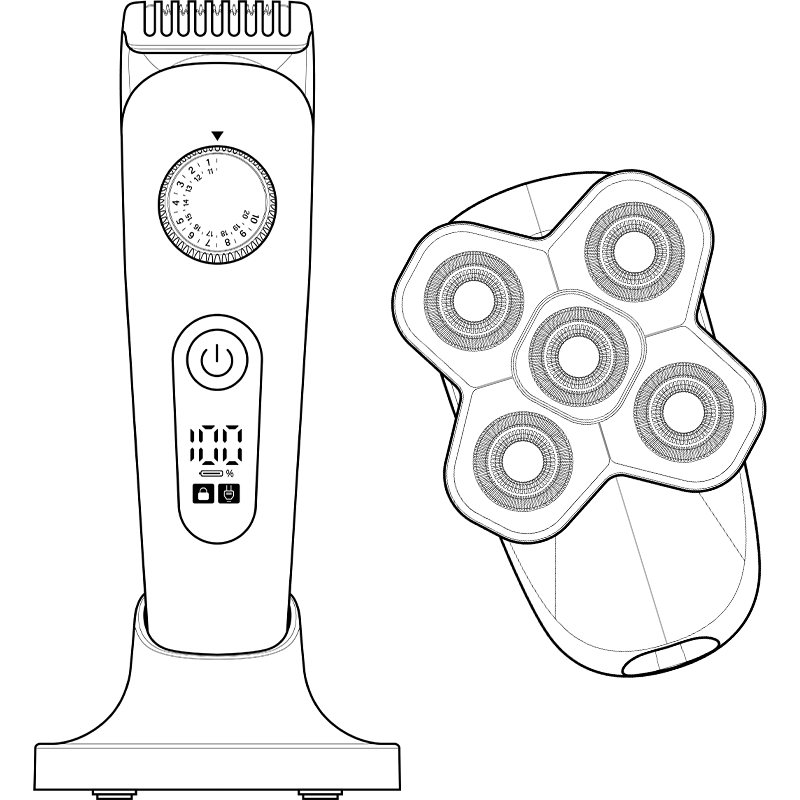
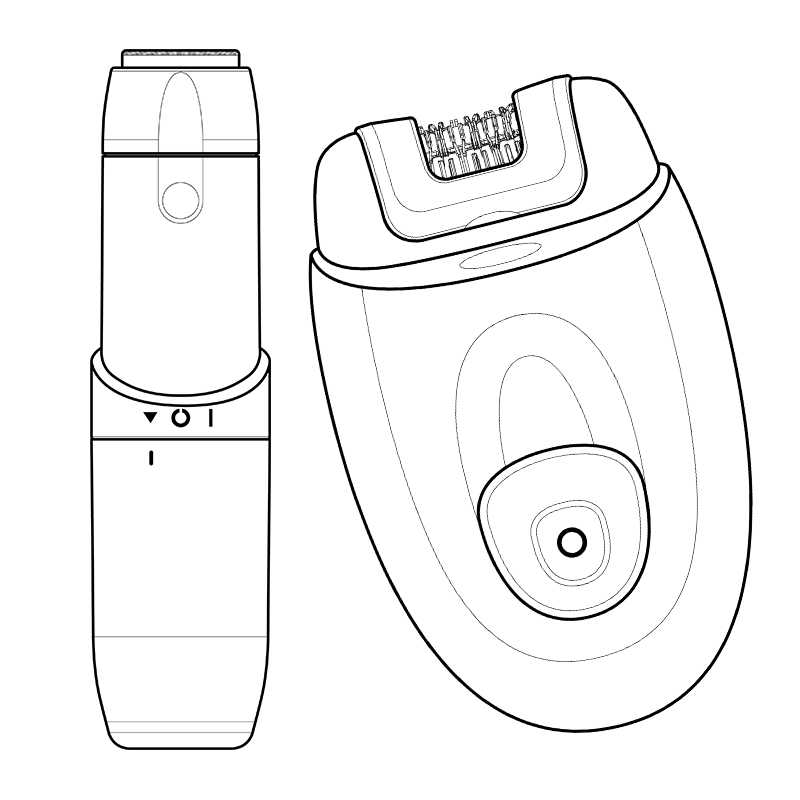
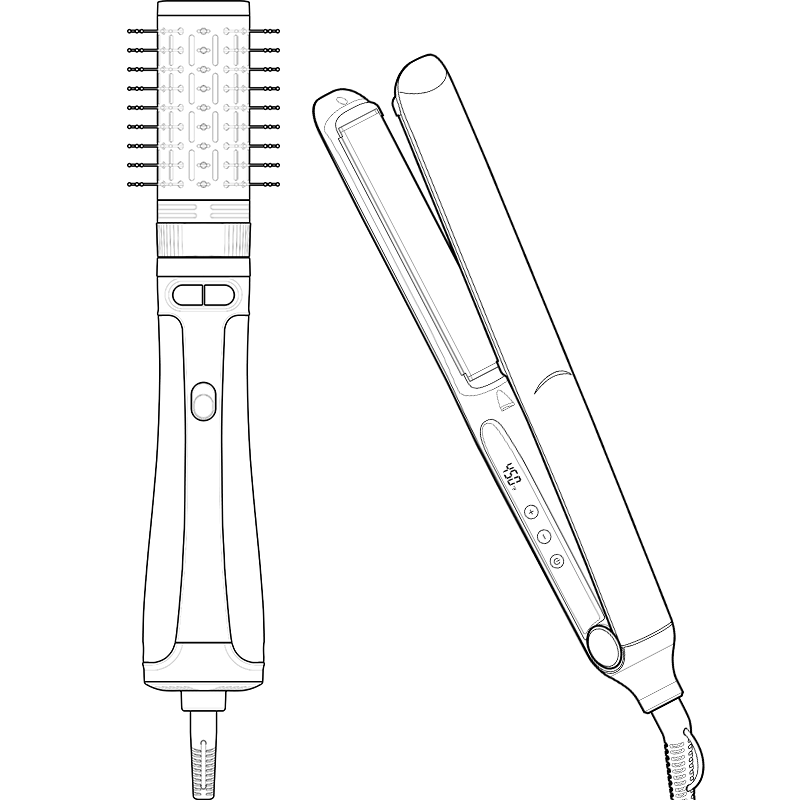
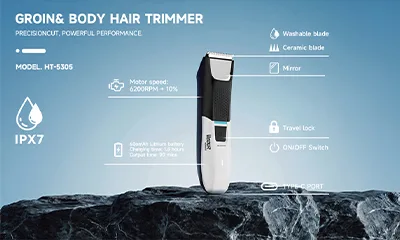
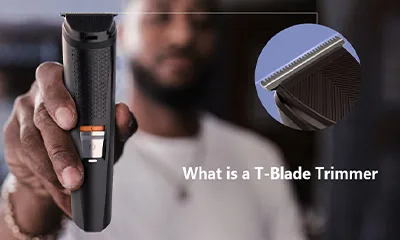
A zero-gap trimmer is a close-cutting finishing tool whose moving and fixed blades are aligned to minimize the functional cutting distance at the edge. “Zero gap” is a market term, not a universal numerical specification or safety grade. For brands, the real task is to balance close-cutting performance with skin contact, temperature, manufacturing variation and foreseeable misuse.
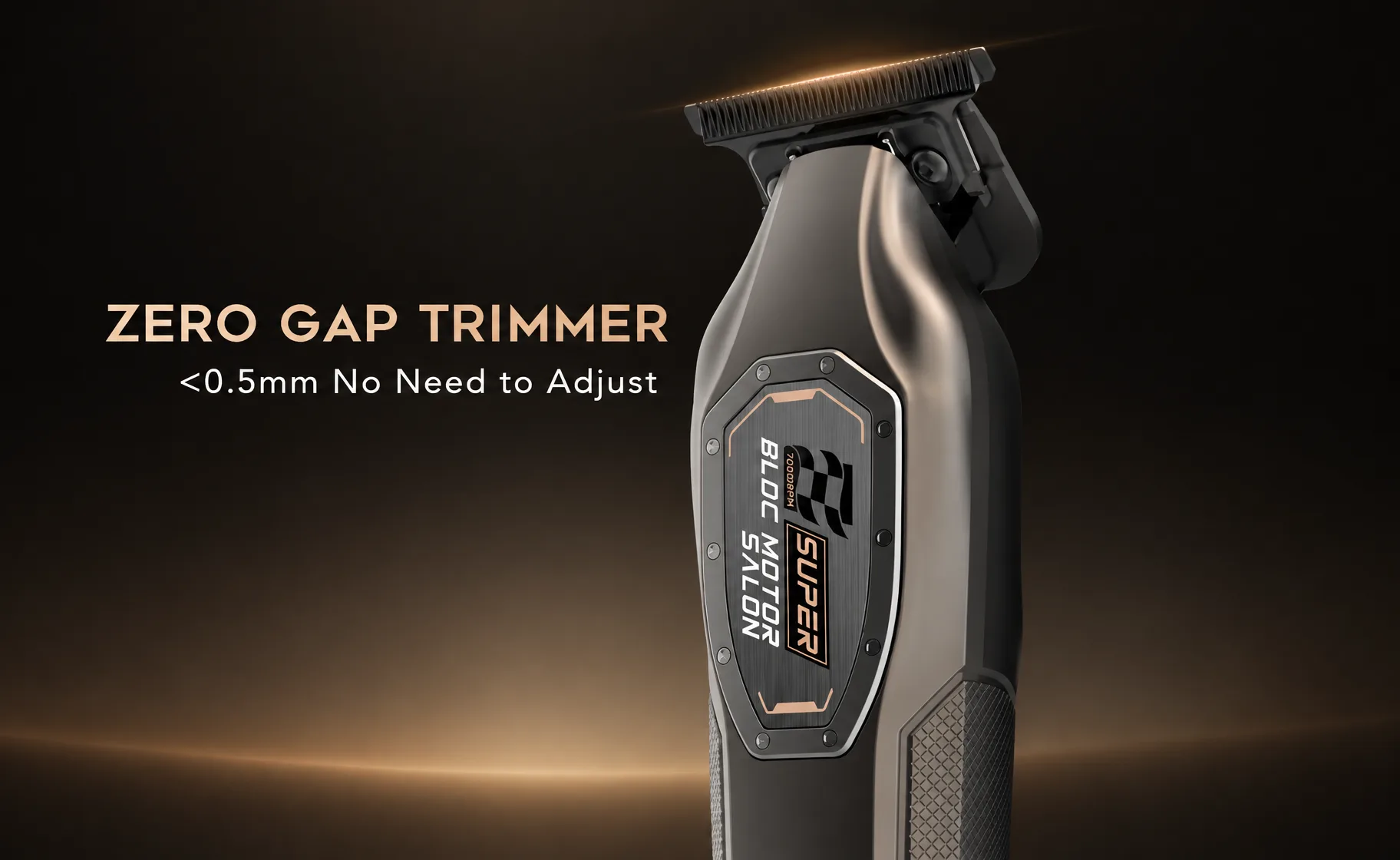
Most finishing trimmers use a fixed blade and an oscillating moving cutter. Close alignment can help capture short hair and create defined outlines, but the result also depends on tooth geometry, edge finish, drive stability, spring force and assembly tolerances.
When buyers ask what does zero-gap trimmer mean, avoid answering with an unsupported clearance value. A useful specification should define the intended task—such as outlining, beard detailing or neckline finishing—then establish the measurement method, tolerance, adjustment boundary and acceptance criteria.
A professional zero-gap trimmer may be intended for frequent barbershop use, but neither “professional” nor “zero gap” proves durability, hygiene suitability or skin safety. The product role should be compared with the wider hair finishing trimmer category before engineering work begins.
The main benefit is controlled close finishing. A well-designed product can support crisp lines, beard detailing and cleanup of short residual hair. It can occupy a clear position between a general hair clipper and a foil shaver.
Closeness alone does not create a better product. Blade exposure and aggressive alignment can increase sensitivity to pressure, angle, debris, impact damage and tolerance variation. Potential problems include irritation, scratching, heat, alignment drift or inconsistent cutting. Risk can also change after wear, cleaning or a component substitution.
Brands should assess:
Approval should be based on production-representative samples. Request controlled drawings, tolerance studies, alignment records, temperature results, durability checks, cleaning validation, electrical safety evidence and change-control procedures. Reports must identify the tested configuration and pass/fail criteria.
For broader supplier assessment, see how to evaluate hair trimmer manufacturers and define responsibilities through the UTRUST OEM process.
Is zero gap a fixed blade clearance?
No. Without a defined method and tolerance, it is a category term rather than a complete engineering specification.
Is a zero-gap trimmer automatically better?
No. Close cutting must be balanced with comfort, heat, durability and production consistency.
What should be checked before mass production?
Confirm the final materials, critical tolerances, conditioned performance, cleaning claims, labeling, traceability and change-control process.
A zero-gap trimmer should be managed as a complete close-cutting system, not as one aggressive blade setting. To discuss a safety-conscious OEM brief, contact info@cn-utrust.com.